Two-sink rhythm
Produce moves through a cold rinse, a second pass for soil-heavy roots, then air-dries on slatted racks. Cutting begins only when surfaces are visibly dry to reduce slip hazards and cross-contact.
Prep & sourcing
Hygiene, sourcing clarity, and waste routing are not marketing adjectives here—they are checklists we train against. When a supplier’s paperwork slips, we pause purchasing until the trail is readable again.
Studio rule: If a step cannot be photographed and explained to a new cook in two minutes, it is rewritten before it reaches a client pack.
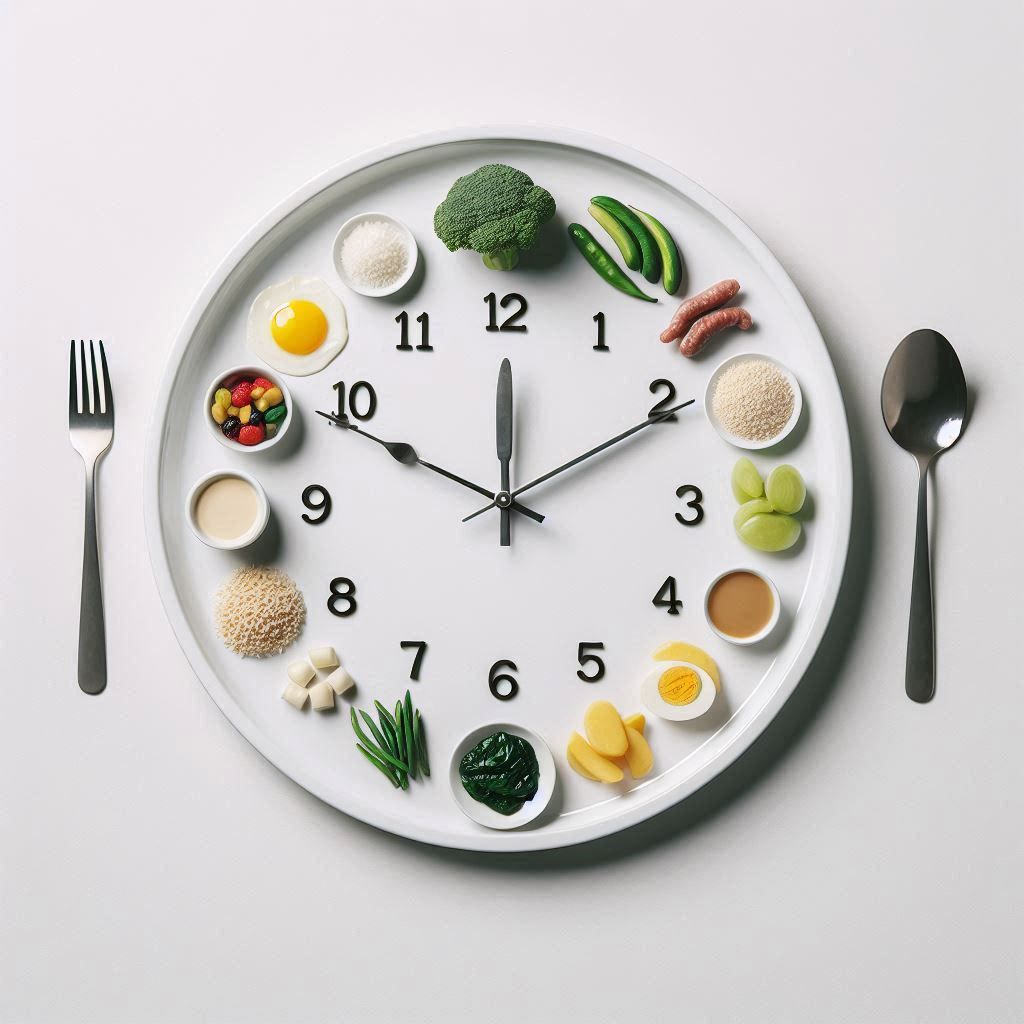
Produce moves through a cold rinse, a second pass for soil-heavy roots, then air-dries on slatted racks. Cutting begins only when surfaces are visibly dry to reduce slip hazards and cross-contact.
Raw proteins and ready-to-eat vegetables never share a board in the same session. Knives return to a sanitised rack between tasks, not the drawer.
We default to tempered glass and stainless for hot fill. Plastic appears only where weight or courier rules demand it, and we label recycle streams clearly.
If answers arrive incomplete, we keep the line off the menu until documentation matches what we print for guests.
Temperatures and seal integrity are logged. Anything warm-chained is staged in the cool room before anything else happens on the bench.
We group tasks so wet work finishes before dry assembly. That order keeps boards logical and reduces re-washing mid-shift.
Each batch label lists line code, date, and declared allergens from the current supplier sheet—not from memory.
Outbound boxes include sorting cues for Helsinki biowaste, carton, and metal streams so recipients can delegate without guessing.
Transparency is slower at the start and calmer every week after. We would rather delay a launch than ship a story we cannot trace.
See how those standards translate into weekly meal structures, shopping clusters, and chill maps for leftovers.
Open meal lines